
The Silent City: Finding Focus Within the Walls of Mdina
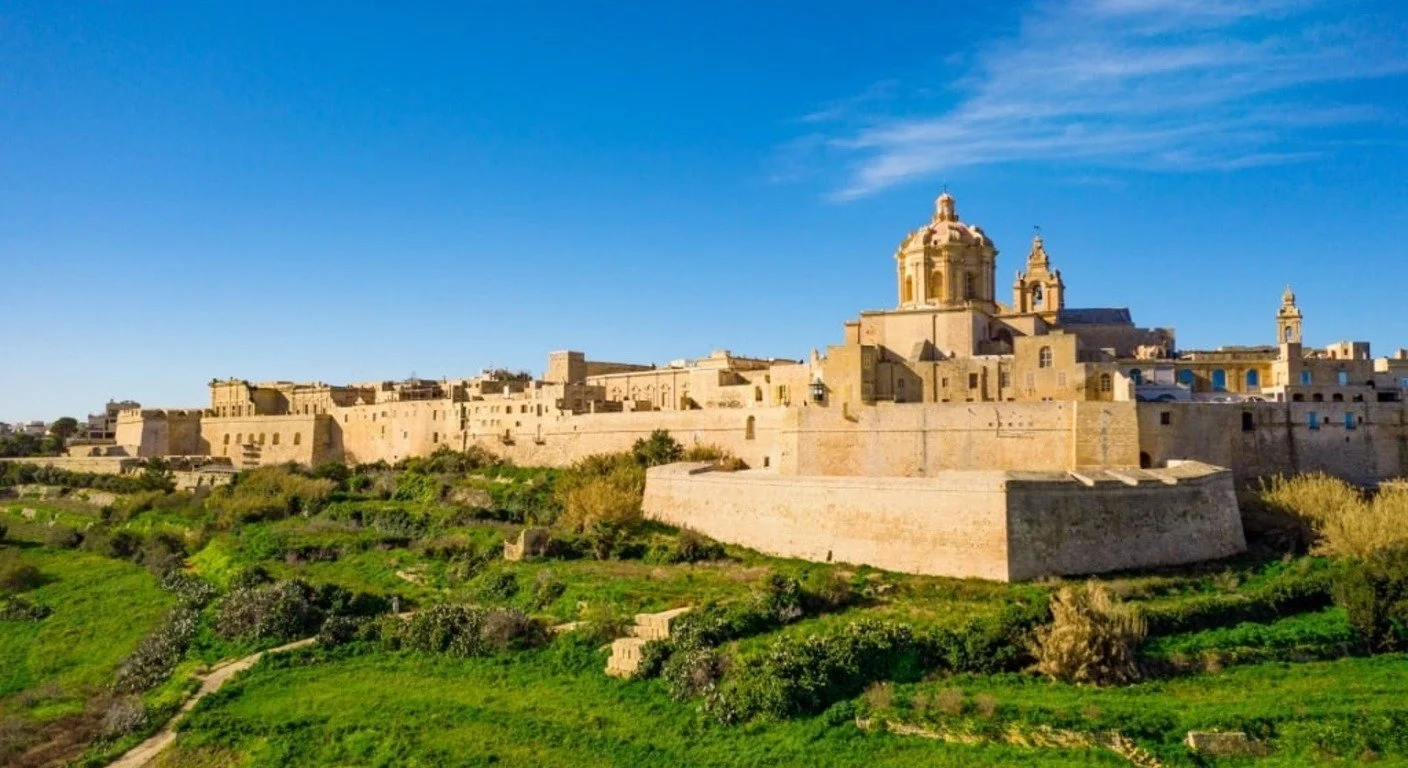
A wide panoramic view of the fortified city of Mdina, showing its limestone walls and cathedrals rising above the surrounding greenery.
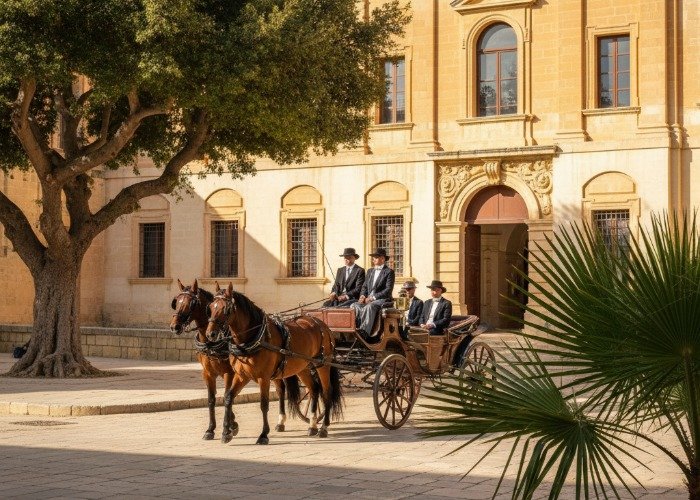
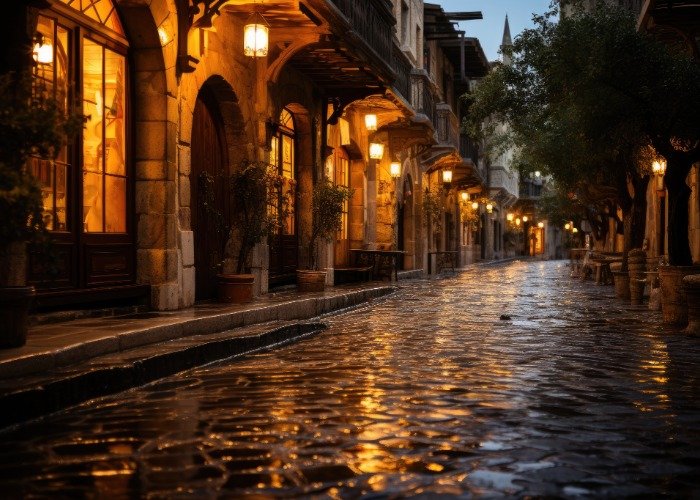
The massive limestone walls close in as you pass through the gate, and the scale of the world shifts immediately. Inside Mdina, the air feels heavier and the acoustics transform; every footstep on the polished stone echoes against the high, golden facades, and distant voices travel through the labyrinthine alleys with startling clarity. This physical compression is exactly why it is known as the Silent City. It is not a place where nothing happens, but a place where every sound and movement is contained. Without the intrusion of cars, the city pulls your attention inward toward the pale, sun-drenched stone and the shadow-draped balconies hovering overhead. You do not simply drift through these streets; you move with a deliberate awareness of your own presence within the enclosure.
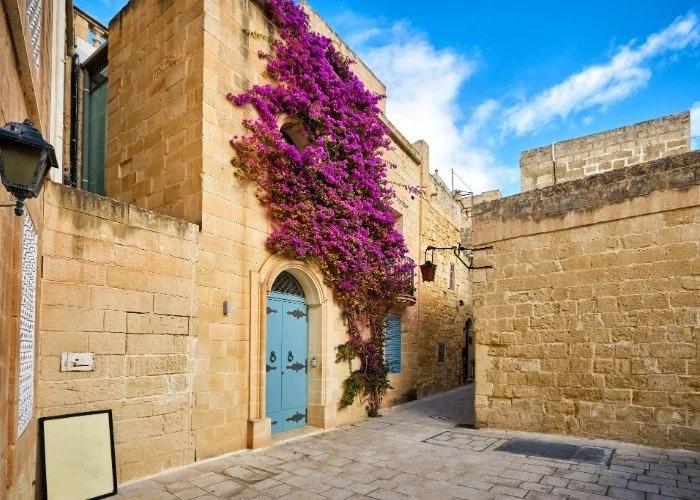
The history of Malta’s former capital is etched into its restrained, noble residences and the tight curve of its fortifications. Originally designed for defense and governance, the city expresses authority through control rather than sheer size. This atmosphere makes the smallest details pronounced: the cool grain of a carved wooden doorway, the rhythmic unevenness of the ground beneath your feet, and the way the hum of the outside world fades entirely after a single sharp turn. Even its famous role as the backdrop for King's Landing feels incidental once you are there. Mdina does not lean on its screen history; it continues on its own terms, ancient and unchanged.
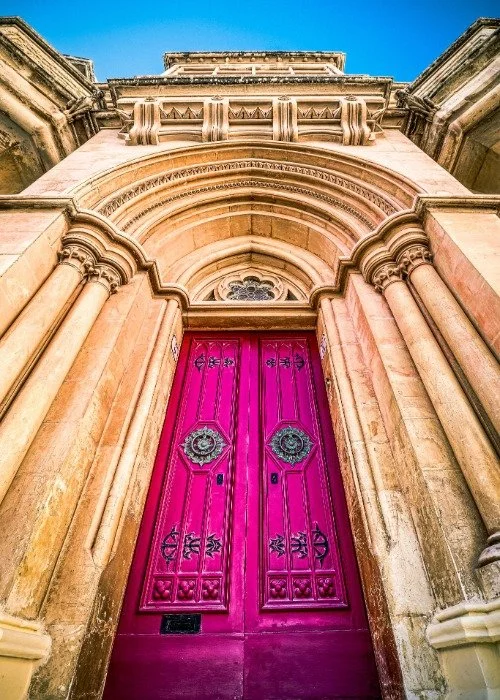
The Gates of Entrance to Mdina, Malta. It is a vibrant, ornate entrance featuring a striking pair of magenta double doors, centrally positioned and filling the lower half of the frame.
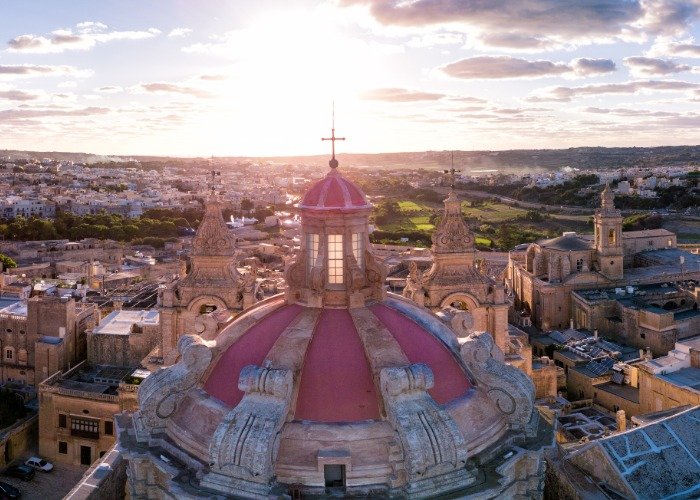
As the day thins out, the character of the city sharpens into something even more precise. With the departure of the afternoon crowds, the evening light shifts from a bright reflection to a soft, honeyed glow that pulls every textured detail out of the rock. Staying within the walls at a place like Palazzo Bifora feels less like traditional accommodation and more like a noble extension of the city itself. The transition from the street to the interior is seamless, with thick walls and quiet, measured rooms reinforcing the same discipline found outside. While the city is small and its activity subdued, it offers a rare depth through its containment. You leave Mdina not with a sense of accumulation, but with a sharpened understanding of space, material, and the power of concentration.
At Extraor Travel, we believe the best journeys aren’t measured by the sites you see, but by the connection you feel to your surroundings. We seek out places that invite you to slow down and simply exist within them. These landscapes don’t demand your focus; they captivate you quietly, leaving an impression that lingers long after the trip ends.
Discover a different way to travel with us.